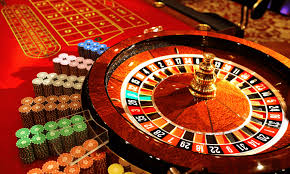
Slot machines are among the most recognizable and widely played gambling devices in the world. Found in casinos, entertainment venues, and dnaslot daftar online platforms, they combine simplicity with the thrill of chance. Despite their straightforward appearance, modern slot machines are powered by complex technology and carefully designed psychology.
This article explores the history, mechanics, types, and broader impact of slot machines.
1. What Is a Slot Machine?
A slot machine is a gambling device where players spin reels containing symbols. The goal is to land matching symbols on one or more paylines to win a payout.
Traditional slots used mechanical reels, but modern versions are digital and rely on computer systems to generate outcomes.
Key characteristics:
- Random outcomes
- Fixed or variable paylines
- Symbol-based gameplay
- Instant results after each spin
2. The History of Slot Machines
Early Beginnings (Late 1800s)
The first true slot machine was created in the late 19th century by Charles Fey, a mechanic in San Francisco. His invention, the Liberty Bell, featured three spinning reels and simple symbols like horseshoes, bells, and playing card suits.
The Liberty Bell became extremely popular and laid the foundation for modern slot machines.
Mechanical Era
Throughout the early 20th century, mechanical slots became common in bars and casinos. These machines used gears, levers, and springs to determine outcomes.
Electromechanical Era (1960s–1970s)
The introduction of electrical components allowed for:
- More complex payouts
- Flashing lights and sound effects
- Multiple paylines
Digital Revolution (1980s–Present)
Modern slots transitioned to video-based systems powered by software called a Random Number Generator (RNG). This allowed:
- Advanced graphics and animations
- Bonus rounds and mini-games
- Progressive jackpots
3. How Slot Machines Work
Despite their visual simplicity, slot machines are driven by advanced algorithms.
Random Number Generator (RNG)
At the heart of every slot machine is an RNG system. It continuously generates random numbers, even when the machine is not being played.
When a player presses “spin,” the RNG selects a number that determines the outcome of the reels.
This ensures:
- Each spin is independent
- No pattern or prediction is possible
- Fair randomness (within regulated systems)
Paylines and Symbols
Paylines are the patterns that determine winning combinations. These can be:
- Horizontal lines
- Diagonal lines
- Zig-zag patterns
- Hundreds or thousands in modern slots
Symbols vary depending on the theme—such as fruits, gems, animals, or movie characters.
Return to Player (RTP)
RTP is a percentage that represents how much a slot machine pays back over time.
For example:
- A 96% RTP means the machine returns $96 for every $100 wagered (over a long period, not per session)
4. Types of Slot Machines
1. Classic Slots
- 3 reels
- Simple symbols
- Fewer paylines
- Nostalgic design
2. Video Slots
- 5 or more reels
- Advanced graphics
- Bonus rounds
- Multiple paylines
3. Progressive Jackpot Slots
- Jackpot increases over time
- Connected across multiple machines or casinos
- Can reach massive payouts
4. Online Slots
- Played via websites or mobile apps
- Highly themed games (movies, mythology, adventure)
- Interactive bonus features
5. Psychology Behind Slot Machines
Slot machines are designed to be engaging and immersive. Several psychological principles are used:
Near Miss Effect
When players almost win, it encourages continued play.
Variable Rewards
Wins occur unpredictably, which increases excitement.
Sensory Feedback
Lights, sounds, and animations create stimulation and reinforce engagement.
Fast Gameplay
Quick spins keep players continuously involved.
6. The Role of Slot Machines in Casinos
Slot machines are often the most profitable games in casinos due to:
- High play volume
- Easy accessibility
- Automated operation (no dealer needed)
Casinos strategically place slots in high-traffic areas to maximize engagement.
7. Online Slot Machines and Modern Trends
The rise of online gaming has transformed the slot industry.
Key trends include:
- Mobile compatibility
- 3D graphics and cinematic storytelling
- Skill-based bonus features (limited influence on outcome)
- Social and multiplayer slot experiences
8. Responsible Play Considerations
While slot machines are designed for entertainment, it is important to recognize:
- Outcomes are based on chance
- Long-term returns favor the operator
- Players should set limits on time and spending
Many platforms now include responsible gaming tools such as:
- Deposit limits
- Time reminders
- Self-exclusion options
Conclusion
Slot machines have evolved from simple mechanical devices into sophisticated digital entertainment systems. Their blend of chance, psychology, and technology makes them one of the most popular forms of gaming worldwide.